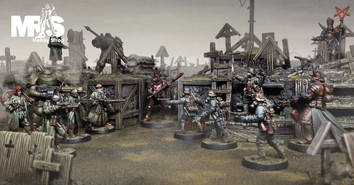
Here's something that surprises most new hobbyists: some of the most stunning diorama figures ever painted were done entirely with a brush and a steady hand, no airbrush required. The idea that you need expensive equipment to get great results stops a lot of beginners before they even open their first figure kit. That's a shame, because brush painting is a completely learnable skill, and the results can be genuinely impressive.
If you're just getting into Diorama Supplies in Utah or building your first scene, this guide walks you through painting figures from start to finish using nothing but brushes, paints, and a little patience.
What You Need Before You Start
Basic Supplies for Figure Painting
You don't need a huge supply list to get started. A few good brushes, the right paints, a primer, and some basic finishing products are all it takes. For brushes, pick up a medium flat brush for base coats, a small round brush for details, and a fine liner brush for eyes and thin lines.
For paint, acrylic paints work best for beginners. They dry quickly, clean up with water, and thin easily. Brands like Army Painter, Citadel, and AMMO by Mig Jimenez are all solid choices and widely available at a good hobby store or through diorama supplies retailers online. Avoid cheap craft store acrylics for figures; they don't have the pigment density or consistency that hobby paints offer.
Step 1 - Prime Your Figure First
Skipping primer is one of the most common mistakes beginners make. Paint doesn't stick well to bare plastic or resin without a primer coat underneath. Primer gives the paint something to grip, and it also helps you see fine surface details more clearly before you start painting.
Grey primer works well for most figures. White primer is better if you're going for bright colors, and black primer suits darker, more shadowed paint schemes. Spray primer cans are the easiest option and give an even coat without brush strokes. Hold the can about 10 to 12 inches away from the figure and apply thin, even passes. Let it dry completely before moving to the next step.
Step 2 - Apply Your Base Coats
Base coating means covering every area of the figure with its main color. Don't worry about shading or highlights yet. This step is just about getting solid, flat coverage on each section, uniforms, skin, boots, equipment, and so on.
Thin your paint slightly with water until it flows smoothly off the brush without being runny. A good test is to run the loaded brush across your palette; if the paint spreads evenly and doesn't bead up or run, the consistency is right. Apply two thin coats rather than one thick one. Thick coats obscure detail and dry unevenly.
Work one area at a time so you don't accidentally drag one color into a section you've already finished. Start with the largest areas first, like the uniform, then move to smaller sections like hands, face, and gear.
Step 3 - Add Shading with Washes
Washes are thin, ink-like products that flow into the recesses of a figure and create natural-looking shadows. This single step makes a bigger difference than almost anything else in figure painting. A flat, base-coated figure looks toy-like; the same figure after a wash looks like a professional painted it.
Apply the wash over the entire figure or just specific areas. Let gravity do the work; the wash settles into crevices, folds, and recesses on its own. Army Painter Quickshade washes and Citadel Shades are both beginner-friendly options that deliver consistent results. Let the wash dry fully before moving on, which usually takes 20 to 30 minutes.
Step 4 - Highlight to Bring Out the Detail
Highlighting means painting a slightly lighter version of each base color onto the raised surfaces of the figure. This creates the illusion of light hitting the figure from above, making it look three-dimensional and lifelike.
Start with a color one shade lighter than your base coat. Load a small round brush, then wipe most of the paint off on your palette so only a tiny amount remains on the tip. Drag this lightly across raised edges, fabric folds, knuckles, and facial features. Less is more here; subtle highlights look more natural than heavy ones. Over time, this technique gets faster and more intuitive.
Dry Brushing as an Easy Highlighting Technique
Dry brushing is a quicker technique to apply highlighting. This technique works well on textured materials such as fur, rough fabric, or a rocky base. A flat brush is used to apply a light color. Wipe off most of the paint on a paper towel. Then, lightly brush the surface. This paint will only cover the raised points on a surface, creating a highlighting effect.
Step 5 - Finish with a Protective Topcoat
After you have finished painting your figure, you need to apply a topcoat. Matte varnish is the most popular choice of topcoat for diorama figures. This varnish helps remove any shine from the figure.
Apply the topcoat in thin, even passes from about 10 inches away. Two light coats are better than one heavy one. This step protects your paint work from chipping and handling, which matters a lot once the figure goes into a diorama scene with other elements around it.
FAQ: Painting Diorama Figures for Beginners
Q1: Do I really need to prime my diorama figures before painting?
A1: Yes, it does help the paint adhere properly and prevents chipping. One good coat makes all the difference for the following painting steps.
Q2: What is the best paint for painting diorama figures without an airbrush?
A2: Army Painter, Citadel, and AMMO by Mig Jimenez are all great choices. You can find these in any good diorama painting store.
Q3: How do I paint realistic skin tones for my diorama figures?
A3: Apply a mid-tone first, a wash for shadowing, and a light skin tone for highlighting.
Q4: Can a beginner use washes for their first painting of a diorama figure?
A4: Yes, they can be used for the first painting session. They automatically go into recesses and provide instant shadow with little skill and expertise required.
Q5: What is the best finish for a diorama figure's paint job?
A5: The best finish for a diorama figure's paint job is matte varnish. It removes the plastic shine and makes the figures look great for display.
Pick Up Your Brushes and Build Something Worth Displaying
Painting diorama figures without an airbrush is completely achievable, even on your very first attempt. Prime well, base coat carefully, use a wash, add simple highlights, and seal it all with a matte topcoat. Follow those five steps and your figures will look far better than you expect.
MRS Hobby Shop stocks everything you need to get started, from primer and acrylic paints to washes, brushes, and finishing varnishes. As a go-to source for diorama supplies, we carry trusted brands like Army Painter, Citadel, AK Interactive, and AMMO by Mig Jimenez, both in their Utah store and through their online shop. Whether you're building your first military scene or adding figures to a Gunpla diorama, the right supplies make all the difference.